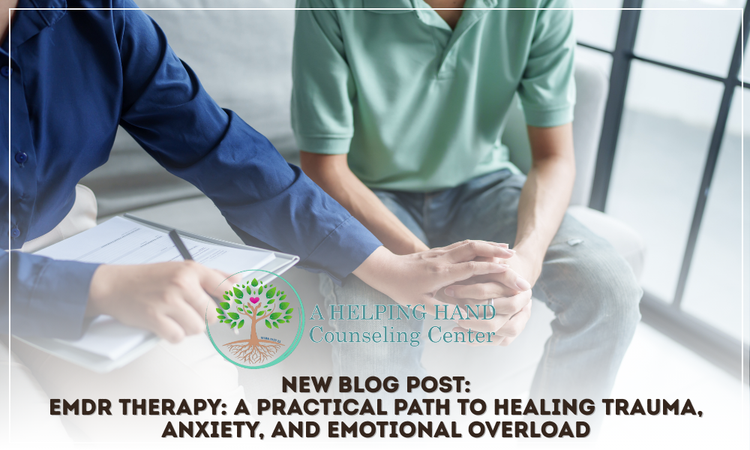
EMDR Therapy: A Practical Path to Healing Trauma, Anxiety, and Emotional Overload
If you’ve tried traditional talk therapy and still feel stuck, overwhelmed, or emotionally triggered, you’re not alone. Many people in

If you’ve tried traditional talk therapy and still feel stuck, overwhelmed, or emotionally triggered, you’re not alone. Many people in
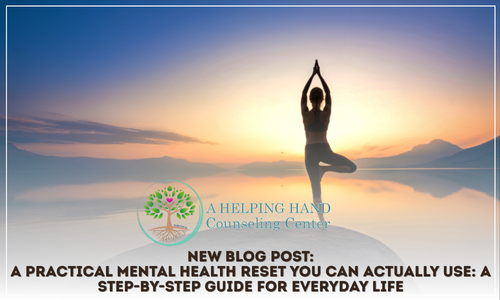
When people think about improving their mental health, they often imagine big changes: new routines, major breakthroughs, or completely different
As the year comes to a close, many people feel a mix of relief, exhaustion, reflection, and pressure to “start

In a world where daily life can feel overwhelming, the importance of mental health counseling has never been more apparent.

Discover how Accelerated Resolution Therapy and marriage & family counseling at A Helping Hand Counseling Center in St. Cloud, FL
Scroll through TikTok and you’ve probably seen someone venting, sobbing, even screaming—all labeled with the hashtag #crashout. It’s the latest

In a world where daily life can feel overwhelming, the importance of mental health counseling has never been more apparent.
In today’s fast-paced world, access to timely and effective mental health care is more important than ever. For many individuals
Nothing prepares us for loss. Whether it’s the passing of a loved one, the end of a relationship, or another
Learn how Accelerated Resolution Therapy (ART) and EMDR can help you heal from trauma and PTSD. A Helping Hand Counseling